Roofing in Georgia
Talk to a local roofing pro anywhere in Georgia, including Atlanta, Savannah, Augusta and Columbus. See what the job typically costs here and what the local climate means for it.
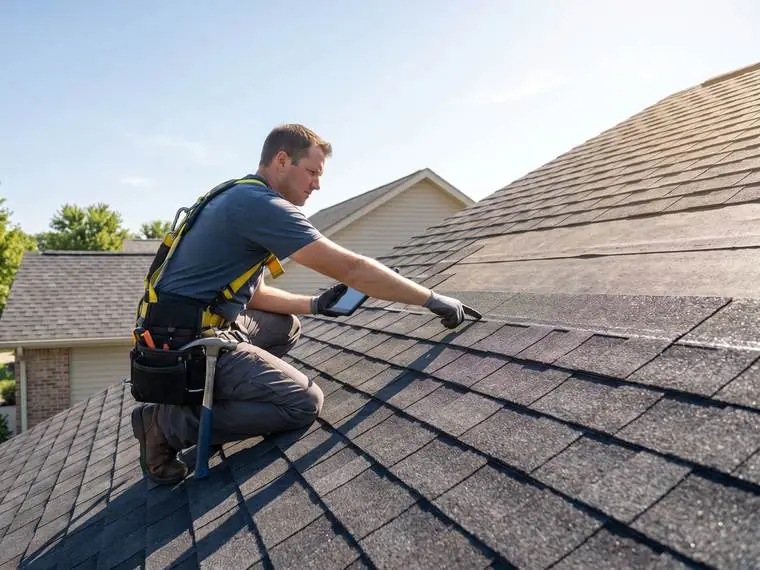
What Georgia's climate means for your roofing
Local conditions change which materials and methods make sense.
- Humidity and mold
Algae-resistant shingles prevent the dark streaking common on humid-climate roofs.
- Hurricanes and coastal wind
Ask for shingles rated for high wind and for roof-to-wall connections that meet your local wind code — coastal codes are stricter than inland ones.
- Timing
Late spring through early fall is the busiest window; booking in shoulder months often means faster scheduling.
Cities in Georgia
Choose yours to see prices for your area across the site.
- Roof repair and leak repair
- Full tear-off and replacement
- Storm and hail wear
- Shingle, metal and flat roofs
- Roof inspections before you buy or sell
- Flashing, vents and skylights
Rough cost estimate
Pick the size closest to your job.
full replacement. Approximate.
How the call works
Most roofing calls take about four to five minutes. You don't need an account to call.
- Plan it in 30 secondsFour quick taps so the pro knows the job before you call.
- Talk to a local proThey ask about the job, your home and your timing.
- Get your priceCompare it with the typical range for your state, then decide.

Roofing in Georgia: questions
How much does roofing cost in Georgia?
Typical pricing in Georgia runs about $5,850 – $19,750 (full replacement). That is a little below the national range because of local labor and material costs. Your quote depends on your home, materials and access.
When is the best time for roofing in Georgia?
Late spring through early fall is the busiest window; booking in shoulder months often means faster scheduling.
How long does a re-roof take?
A typical single-family home is torn off and re-shingled in one to three days, weather permitting.
Repair or replace?
If the roof is under about 15 years old and the problem is in one area, a repair is usually the better value. Widespread curling, granule loss or repeated leaks point to replacement.